The Erosion of Desire in the Age of Infinite Images
Fashion once relied on distance, delay, and the pleasure of not having something immediately. In a culture of endless visibility, beauty still circulates, but desire has less and less room to build.
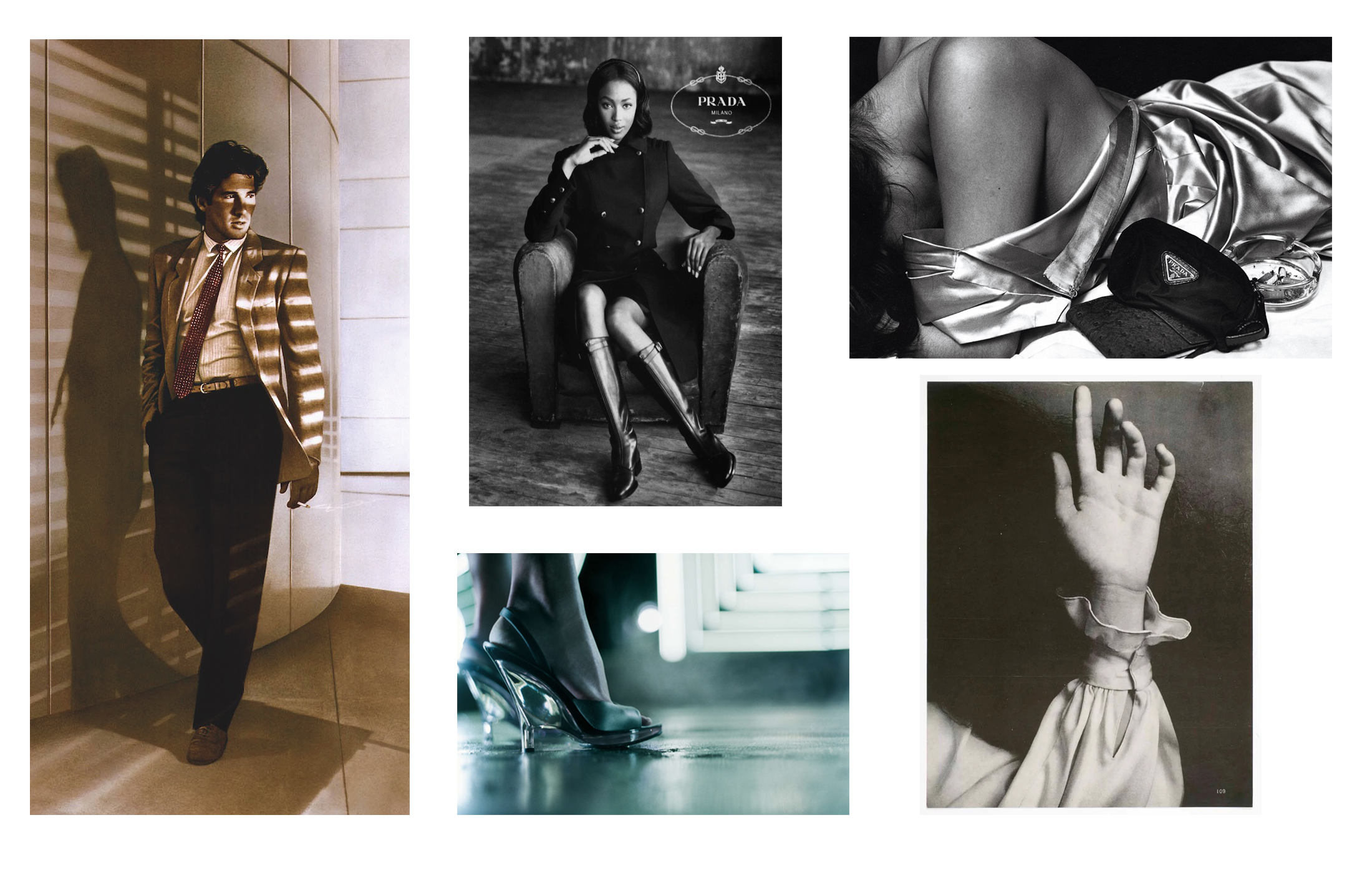
Fashion used to know the value of distance. Not just physical distance, but the kind that holds the space between seeing something and wanting it. There was power in the pause, in the delay, in the small cruelty of not being able to access it immediately.
Now the gap barely exists.
A look appears on the runway, and before it has had a chance to become memorable, it has already become content. Someone posts the full collection, someone else edits the best looks, someone zooms in on the bag, someone calls it genius, someone calls it tired, someone finds the cheaper version by Friday. A collection is seen, shared, explained, ranked, memed, copied, and exhausted before most people have even had a private thought about it. By the time it reaches you, it already feels socially processed.
There was a time when fashion asked for a longer attention span. You saw a campaign in a magazine and lived with it for a while. You tore out the page. You kept thinking about a coat you could not afford, or a woman in a photograph who seemed to belong to a life more composed than your own. The image had time to seduce you. It stayed unresolved. It kept a little mystery.
Now, mystery barely survives first contact.
That may be the real loss hidden inside all this visual abundance. It is not that beauty has disappeared. If anything, beauty is overproduced, overlit, and endlessly available. The problem is that beauty now arrives with too much administration: too much framing, too much explanation, too much immediate consensus.
Nothing gets glimpsed anymore. Everything must be delivered.
Fashion used to benefit from the fact that not everything was instantly accessible. You could sense a world before you could enter it. A woman in a 90’s Prada campaign did not arrive as relatable. She arrived as a proposition, a disturbance, a visual argument for becoming someone else, or at least becoming someone with better posture and colder lighting.
What we have instead is appreciation. Immediate, fluent, highly informed appreciation.
You know the reference, you know the brand, you know the silhouette, you know who wore it first, and you know whether it is already over. You can identify quality in seconds. You can even admire it sincerely. But admiration is clean. Desire is not. Admiration is often where taste ends, and wanting used to begin.
That is what we are missing.
Not beauty, not taste, not appetite. Appetite is everywhere. The culture runs on it. What vanishes is the slower, more difficult form of desire, the kind that could survive because it was not instantly turned into content, commentary, and product.
Perhaps fashion’s problem is no longer whether it can make us look. It can, effortlessly. The harder question is whether anything can still stay with us long enough to become desire.
